

20x30 bathroom mirror
Understanding the Significance of 2 Threaded Check Valves in Plumbing Systems In the intricate world of plumbing and fluid control systems, the role of valves is paramount. Among these valves, check valves occupy a unique position due to their inherent ability to regulate fluid flow in a unidirectional manner. The 2-inch threaded check valve, in particular, stands out as a versatile and widely utilized component across various industrial and domestic applications. This article delves into the specifics of 2 threaded check valves, exploring their design, functionality, benefits, and common application scenarios. Design and Functionality A 2 threaded check valve is designed with simplicity and efficiency in mind. It features a nominal diameter of 2 inches, allowing it to accommodate pipes of corresponding sizes. The term 'threaded' refers to the method by which the valve connects to the piping system – via male or female National Pipe Thread (NPT) threads, ensuring a tight and secure seal without the need for welding or specialized fittings. The core functionality of a check valve lies in its ability to permit fluid flow in one direction only while automatically preventing backflow. This is achieved through an internal mechanism, typically a spring-loaded disc, a swing-type flapper, or a ball-and-seat arrangement. In the case of a 2 threaded check valve, when forward pressure from the supply line pushes the disc or ball off its seat, fluid is allowed to pass. Conversely, any attempt at backflow causes the mechanism to close, thereby halting the reverse movement of fluids. Key Benefits 1. **Prevention of Backflow** The primary benefit of a 2 threaded check valve is its effectiveness in stopping backflow, which is crucial in preventing contamination of potable water supplies, damage to equipment from pressure surges, and maintaining system efficiency. 2. **Ease of Installation and Maintenance** Thanks to their threaded connections, these valves can be easily installed or replaced without complex tools or processes **Ease of Installation and Maintenance** Thanks to their threaded connections, these valves can be easily installed or replaced without complex tools or processes **Ease of Installation and Maintenance** Thanks to their threaded connections, these valves can be easily installed or replaced without complex tools or processes **Ease of Installation and Maintenance** Thanks to their threaded connections, these valves can be easily installed or replaced without complex tools or processes 2 threaded check valve . Routine maintenance is also simplified due to their accessible design. 3. **Versatility** With a standard 2-inch size, these valves can be integrated into a wide range of systems, from residential plumbing to industrial pipelines, ensuring compatibility across diverse applications. 4. **Reliability** The automatic operation of check valves eliminates the need for manual intervention, ensuring continuous and reliable protection against backflow incidents. Common Applications - **Plumbing Systems** In residential and commercial buildings, 2 threaded check valves are installed in water supply lines to prevent contamination from entering clean water systems, especially where there's a risk of back siphonage. - **HVAC Systems** They are used to prevent the mixing of hot and cold water in heating and cooling systems, ensuring efficient temperature control and preventing damage to equipment. - **Irrigation Systems** Protecting pumps from water hammer and ensuring water flows correctly, these valves are integral components in agricultural irrigation networks. - **Chemical Processing** In industries handling corrosive or hazardous fluids, these valves safeguard against accidental mixing or backflow that could lead to environmental hazards or process disruptions. Conclusion The 2 threaded check valve, with its straightforward design and critical functionality, is an indispensable element within modern plumbing and fluid handling systems. Its ability to prevent backflow efficiently, coupled with ease of installation and broad application range, underscores its significance. Whether in maintaining water purity, enhancing system performance, or safeguarding against operational hazards, understanding the role and selecting the right check valve is vital for engineers, plumbers, and system designers alike. As technology advances and new materials are introduced, the trusty 2 threaded check valve continues to evolve, ensuring its ongoing relevance in an ever-changing industrial landscape.
about
20x30 bathroom mirror
The Importance of Safety Caps for 20-28mm Plastic Rebar A Comprehensive Overview In the construction industry, safety is paramount, especially when dealing with materials such as rebar, which is often used to reinforce concrete structures. One innovative solution that has gained traction in recent years is the use of plastic safety caps for rebars, particularly those sized between 20-28mm. These safety caps serve a critical purpose by providing protection for both workers and the integrity of the construction site. What Are Plastic Rebar Safety Caps? Plastic safety caps are designed to fit securely over the exposed ends of rebar, which are often sharp and can pose a serious risk of injury. When rebars are cut or placed in position, their sharp ends protrude, creating hazards for workers who may inadvertently come into contact with them. The safety caps are engineered to cover these exposed sections, significantly reducing the risk of cuts, punctures, and other injuries. Manufactured from durable polyethylene or other robust plastics, these caps are lightweight, resistant to weather elements, and durable enough to withstand harsh job site conditions. When designed for rebar sizes ranging from 20 to 28mm, they fit snugly to ensure that they do not easily dislodge, providing reliable safety throughout the construction process. Protecting Workers and Enhancing Site Safety One of the most compelling reasons for using plastic safety caps is to enhance worker safety. Construction sites are inherently dangerous, and even minor injuries can result in significant time lost or even worse, long-term injury. By capping the ends of rebars, contractors can minimize the risk of accidents, thereby creating a safer work environment. Studies have shown that implementing safety measures, such as using rebar caps, can greatly reduce workplace injuries. In addition, having a site that prioritizes safety can improve worker morale and productivity. Employees are more likely to perform well when they feel secure in their working environment, and this translates to a more efficient construction project overall. 20-28mm plastic rebar safety cap Compliance with Safety Regulations Construction companies are often required to adhere to strict safety regulations set forth by governmental and industry bodies. The Occupational Safety and Health Administration (OSHA) and other regulatory agencies mandate that employers take proactive measures to ensure the safety of their workers. This includes the proper capping of exposed rebar ends. Failure to comply with these regulations can result in hefty fines and legal repercussions, not to mention the negative impact on a company’s reputation. By utilizing plastic safety caps for rebar, companies can not only meet these requirements but also demonstrate their commitment to worker safety. This proactive approach can enhance a company’s standing in the industry and attract clients who value corporate responsibility. Environmental Considerations Another angle worth considering is the environmental impact of plastic safety caps. With increasing awareness around sustainable practices in construction, manufacturers are responding by creating caps from recycled or more sustainable materials. This shift not only reduces waste but also aligns with global efforts to minimize the environmental footprint of construction activities. Conclusion In summary, the use of plastic safety caps for 20-28mm rebar is a simple yet effective solution for enhancing safety on construction sites. They protect workers from potential injuries, ensure compliance with safety regulations, and can contribute positively to a company’s reputation. As the construction industry continues to evolve, adopting such safety measures will be crucial in creating a safe and responsible work environment. Investing in safety is not just about following regulations; it is about fostering a culture of care and responsibility that ultimately benefits workers, companies, and the communities they serve.
-

High quality industrial productsagement

High quality industrial products
View Details -

Meet the diverse needs of customers

Meet the diverse needs of customers
View Details -

Strict quality control

Strict quality control
View Details -

Top raw materials

Top raw materials
View Details -

Trusted supplier

Trusted supplier
View Details
Our application

news and information
Vertical Y strainer efficient way to filter particles from fluid flow.
Vertical Y strainers are essential components in piping systems that are designed to remove unwanted
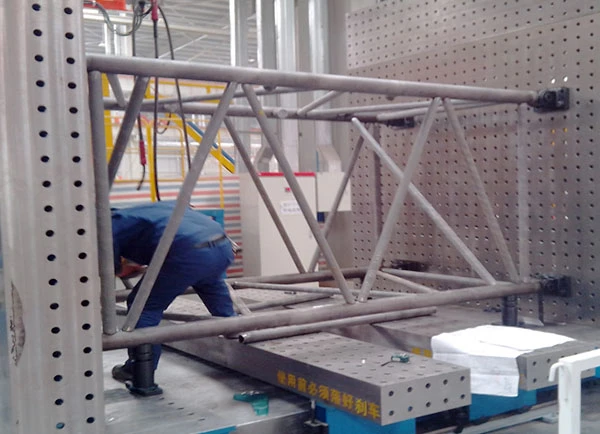
v block v block
Understanding V Block A Fundamental Tool in Manufacturing and Engineering In the world of manufactur
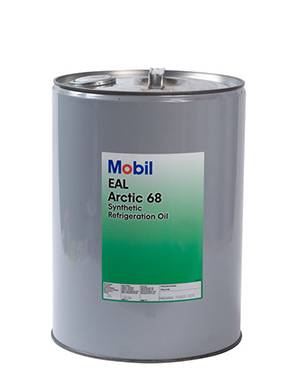
Versatile Wood Connector Brackets for Durable and Secure Construction in Various Projects
Understanding Wood Connector Brackets Essential Components for Woodworking Projects In the realm of
 English